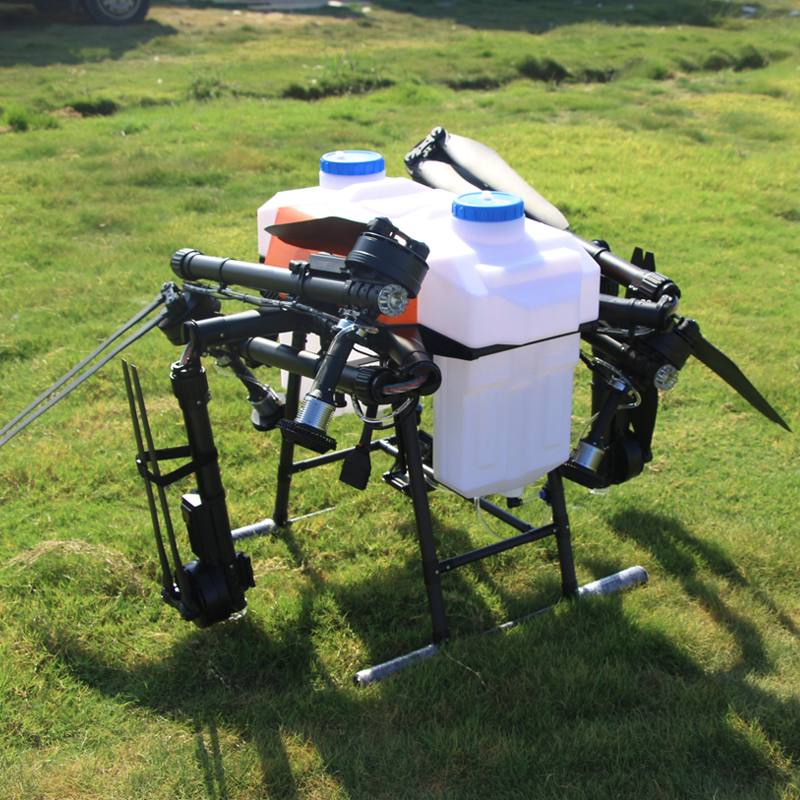
Agricultural Drones: The Smart Helper of Modern Farming
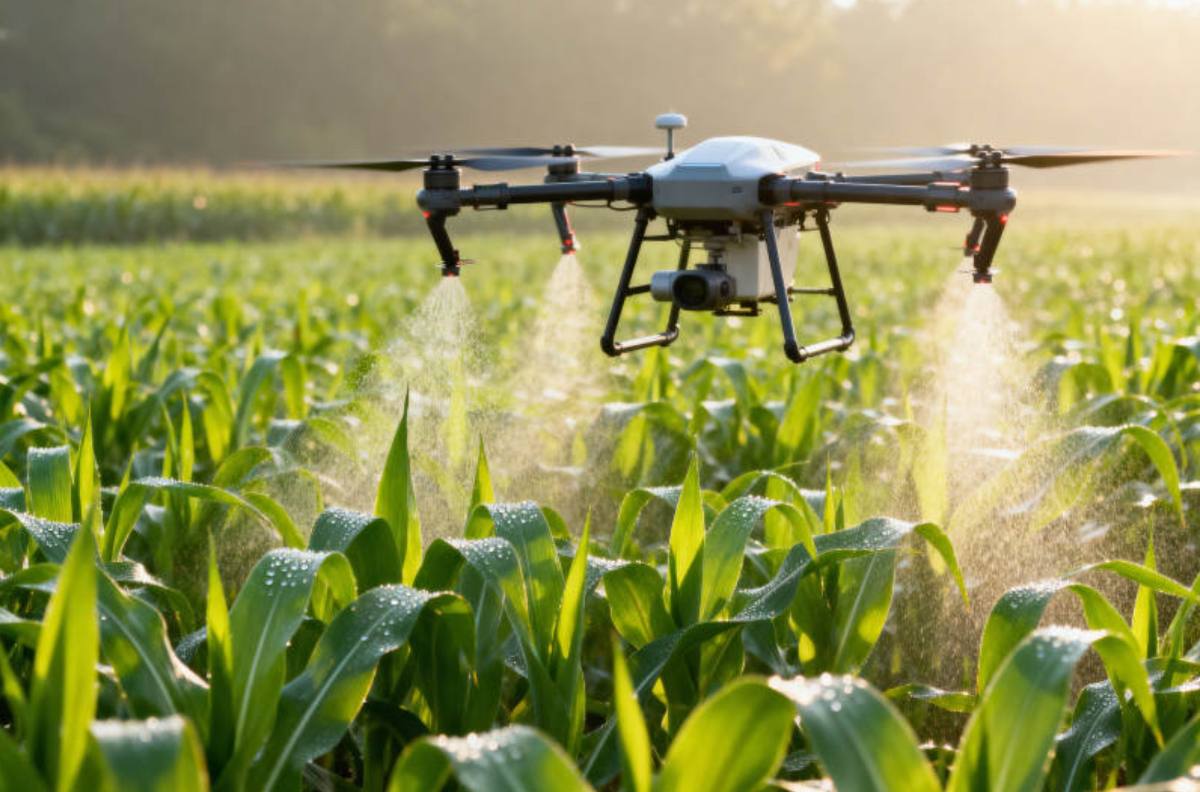
Agricultural drones have a wide range of applications:
Drone crop spraying
Compared with traditional manual farming and large agricultural machinery, agricultural drones have many unique and outstanding advantages. First of all, they are extremely efficient. A professional agricultural drone can finish pesticide spraying, fertilizer spreading and seed sowing work in a large farmland in a few hours, while manual work would take several days or even weeks. This greatly saves working time and solves the problem of tight farming seasons, especially for crops that require timely care.
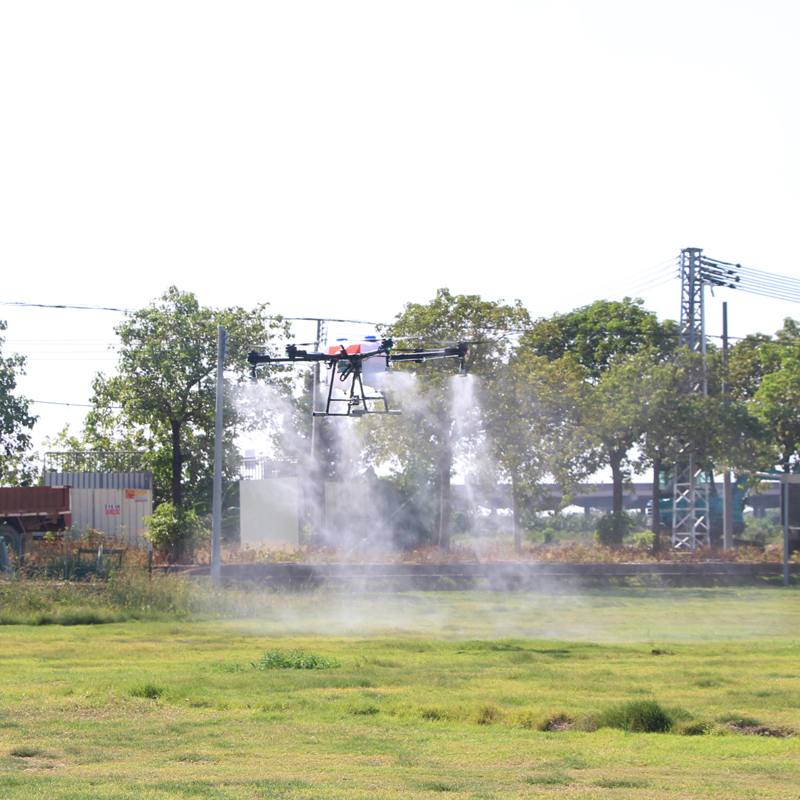
In addition, agricultural drones are flexible and adaptable to various terrains. Unlike large farm machines that can only work on flat and open farmland, drones can operate freely on hills, slopes, terraced fields and uneven land. They can also fly at low altitudes to avoid damaging crop seedlings, making them suitable for diverse planting environments in different regions.
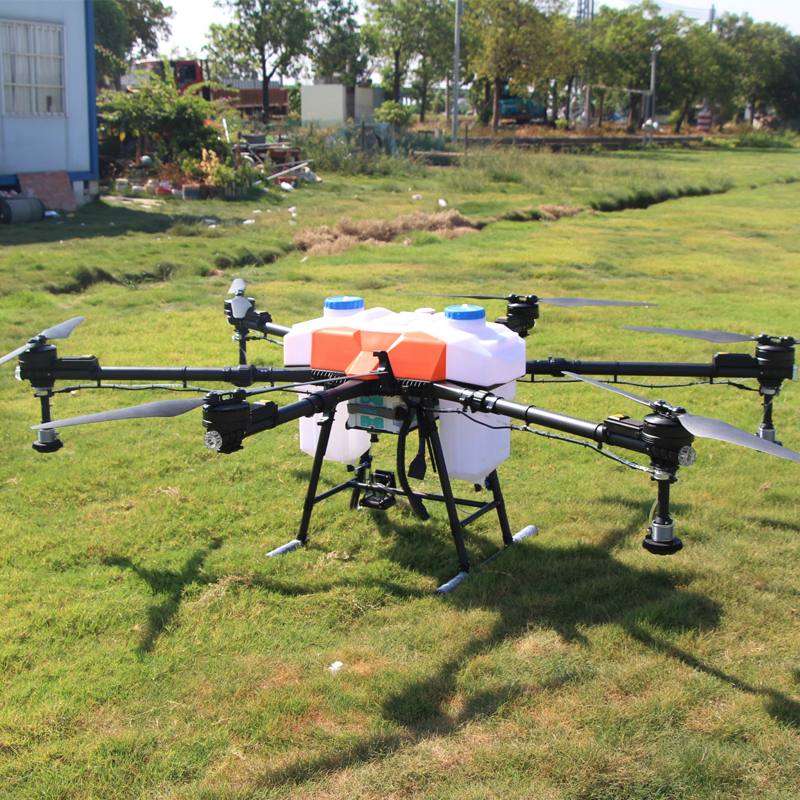
Drone crop monitoring
The application scenarios of agricultural drones are increasingly rich in modern agriculture. Besides basic sowing, fertilizing and pesticide spraying, they can also conduct farmland monitoring. Equipped with high-definition cameras and infrared sensors, drones can take real-time aerial photos of farmland. Farmers can clearly observe crop growth conditions, find diseased seedlings, pest infestations and water shortage problems in time, and take targeted measures to reduce crop losses. Moreover, drones can be used for crop yield estimation, farmland irrigation planning and agricultural disaster prevention and control.